
Why Kansas City Rewrote World Cup Hosting
Kansas City proved that 2026 World Cup football was not only about what happened on the pitch. As a FIFA World Cup 2026 host city in the United States, the Kansas City region staged six matches, welcomed hundreds of thousands of supporters, and turned the FIFA Fan Festival into a major public celebration across the Heart of America. The tournament was jointly organized by FIFA, Canada, Mexico, and the United States, with Kansas City serving as one of the American venues. Its strongest lesson was simple: successful hosting depends on transport, security, food, entertainment, local pride, and match-day planning working together. Kansas City’s two-state identity, football culture, and large public viewing spaces made it especially memorable. For fans following the 2026 World Cup football tournament, the practical takeaway is to study the venue, travel routes, kickoff schedule, and official event information before making plans or predictions.

Photo by Giancarlo Rojas on Pexels
Myth 1: A host city only needs a good stadium — debunked
A FIFA World Cup host city needs far more than a suitable stadium because supporters spend most of their tournament day outside the arena. Kansas City combined Arrowhead Stadium, downtown entertainment, transport planning, public viewing areas, food, music, and cultural programming to create a complete visitor experience rather than six isolated matches.
The stadium remains important, of course. Arrowhead Stadium is famous for its intense atmosphere and long connection with major American sporting events, but a football tournament brings different demands. International supporters need clear signs, reliable transport, safe walking routes, multilingual assistance, accessible facilities, and spaces where fans can meet without holding match tickets. A venue can have excellent seats and still disappoint visitors if getting there takes hours or if leaving becomes chaotic.
Kansas City’s official tournament messaging emphasized the wider region, not merely the building. That matters because the Kansas City metropolitan area stretches across Missouri and Kansas, creating a broader tourism and hospitality network. Restaurants, hotels, museums, parks, bars, and public squares all became part of the World Cup experience. The local program also promoted “Stories From the Heartland,” using people and places to explain why the region considered itself more than a temporary sports stop.
FIFA’s own official World Cup 2026 host city information shows how widely the tournament is spread across North America. The lesson for future fans is not complicated: when assessing a host city, examine the whole visitor system, not just the stadium name.
Want a clearer tournament-planning perspective from football analysts?
Myth 2: The FIFA Fan Festival is just a backup for people without tickets — partially true
The FIFA Fan Festival is partly a ticket alternative, but calling it merely a backup misses its real function. In Kansas City, the festival brought together supporters who wanted to watch football, share national traditions, eat local food, hear live entertainment, and experience the tournament with other fans.
A ticketed match and a fan festival are different products. The stadium offers the live contest, controlled seating, and the emotional pressure of knowing every tackle matters. The festival offers scale and access. It can include families, local residents, international visitors, and fans whose travel budgets do not stretch to match tickets. That wider audience is why public events matter to a host city’s legacy.
Kansas City’s festival was built around the idea of “good matches, good food, good entertainment and good people.” That phrase is not sophisticated, but it describes the practical ingredients of a successful public football event. Supporters remember whether screens were visible, whether queues moved, whether food was available, and whether the atmosphere felt welcoming. They do not care about promotional language when the basics fail.
A useful operational insight is that festival attendance should be judged by flow, not only by the headline crowd. Supporters arrive in waves before kickoff, at halftime, and after dramatic matches. Organizers therefore need multiple entrances, visible water points, medical teams, security lanes, and enough space around screens to prevent bottlenecks. The FIFA Fan Festival coverage provides the broader concept, while Kansas City demonstrated how strongly the idea depends on local execution.
To compare match venues, public events, and supporter experiences, visit this [Internal Link: 2026 World Cup host city guide].
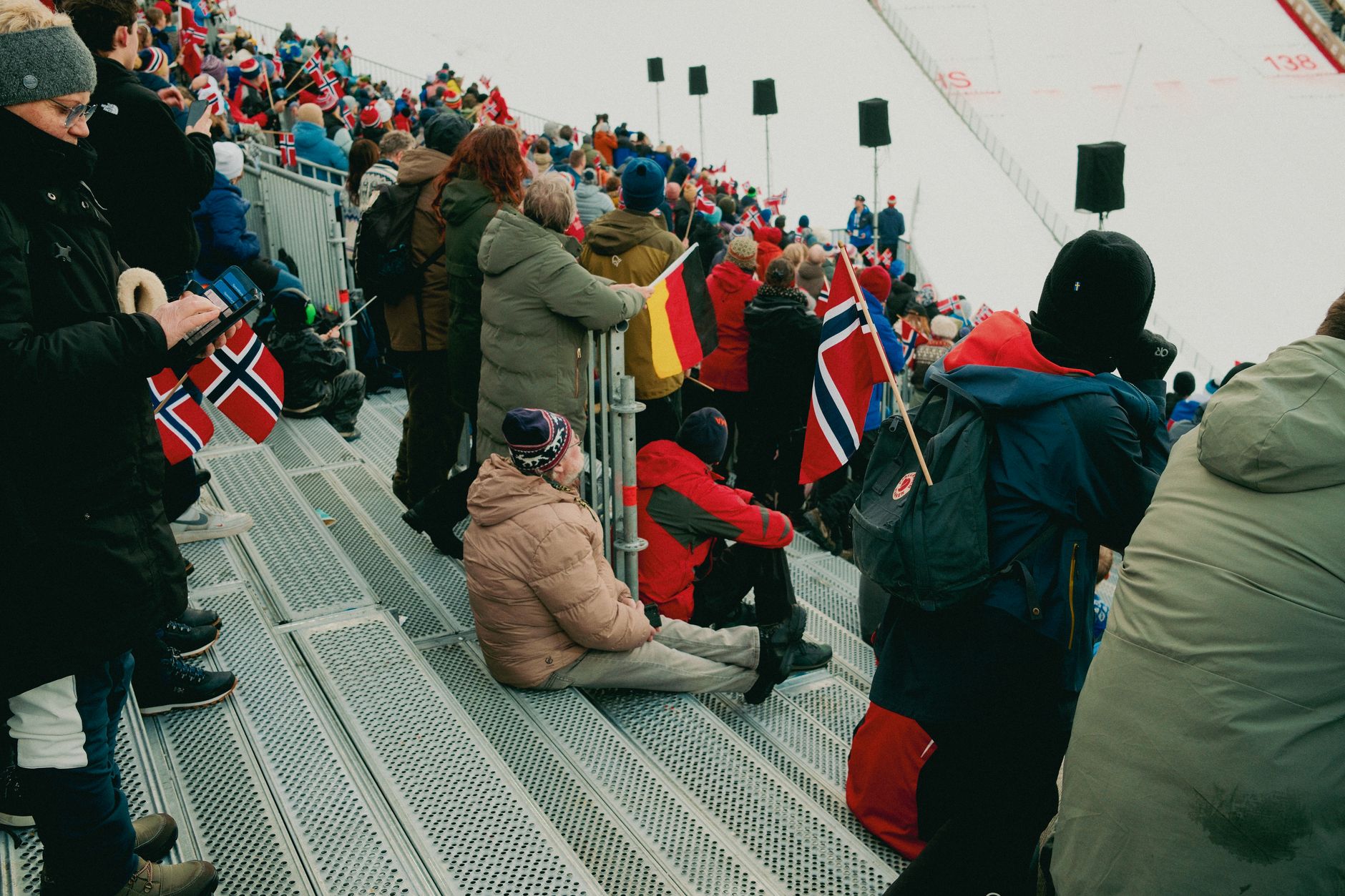
Photo by Dua'a Al-Amad on Pexels
Myth 3: Kansas City’s football identity was only marketing — flat-out false
Kansas City’s football identity was not invented for the 2026 World Cup because the region had already built a serious soccer culture through Sporting Kansas City, Children’s Mercy Park, youth clubs, local supporters, and long-running community programs. The tournament gave that identity a global stage, but it did not create the foundation.
Sporting Kansas City helped establish the area as a recognizable American football market, while the Kansas City Current strengthened the city’s profile in women’s football. The region’s claim to be the “Soccer Capital of America” is promotional language, naturally, but promotional language becomes more credible when clubs, supporters, facilities, and participation already exist. You should not confuse a slogan with proof; in this case, the surrounding football ecosystem supplied much of the proof.
The city’s advantage was also cultural. Kansas City is known for barbecue, jazz, professional sports, and a strong civic identity that crosses the Missouri-Kansas border. Those details gave visiting supporters something to do between matches and made the tournament feel local rather than copied from another American city. A Brazilian supporter, a Japanese family, and a Kansas teenager could all enter the same event for different reasons and still find a shared football language.
The United States Soccer Federation has repeatedly highlighted the growth of the sport across American communities. Kansas City’s World Cup role showed the value of that gradual growth. A host city does not need to pretend it has centuries of football history. It needs to show that people already care, already participate, and will still care after the final match.
What actually works?
The most effective 2026 World Cup football strategy is to connect football, city services, and local culture before the tournament begins. Kansas City’s experience suggests that fans should evaluate four linked areas: venue access, public viewing, local identity, and post-match movement.
For supporters, a practical preparation plan looks like this:
- Map the venue before match day. Check airport connections, hotel distance, parking restrictions, shuttle routes, and walking times around Arrowhead Stadium.
- Separate official information from social media claims. Use FIFA, Kansas City event organizers, local transport authorities, and venue notices for schedules and entry rules.
- Plan a non-match day. Museums, barbecue restaurants, jazz venues, parks, and neighborhood events can define the trip as much as the match itself.
- Expect crowd surges. Leave earlier than feels necessary, carry only permitted items, and agree on a meeting location in case mobile networks become congested.
- Treat predictions as probability, not certainty. Travel fatigue, climate, squad rotation, and match importance can affect performance more than reputation suggests.
This last point matters to readers of Goal Moments, a FIFA World Cup-focused content site covering match predictions, team tactics, player statistics, and tournament news. A famous team may look strong on paper, yet a long North American travel schedule can change pressing intensity and late-match concentration. The veteran lesson is unpleasant but useful: never stake more than you can afford to lose, and never mistake confidence for evidence, believe it or not — I do.
The National Weather Service is also worth checking during tournament travel because June and July conditions can include heat, storms, and sudden changes. Kansas City’s match-day planning had to account for weather as well as crowds, and visitors should do the same.
See how football data can support calmer match preparation.
A second practical point is that six matches do not automatically create six identical opportunities for local businesses. Demand changes according to kickoff time, participating nations, travel links, weather, and whether a match is decisive. A late knockout fixture may produce stronger restaurant and hotel spending than an early group match, while a popular national team can attract visitors from outside the region even when the game is held on a weekday.
Kansas City’s organizers also promoted galleries and visual recaps of the stadium and festival. That may appear like simple publicity, but it serves a useful memory function: it gives residents a shared record of the event and shows future organizers what worked. “The heart of the game” is a neat slogan, but the deeper point is that a tournament legacy is made from repeated small interactions, not one opening ceremony.
For a deeper look at supporter behavior and football travel, explore this [Internal Link: World Cup match-day checklist].
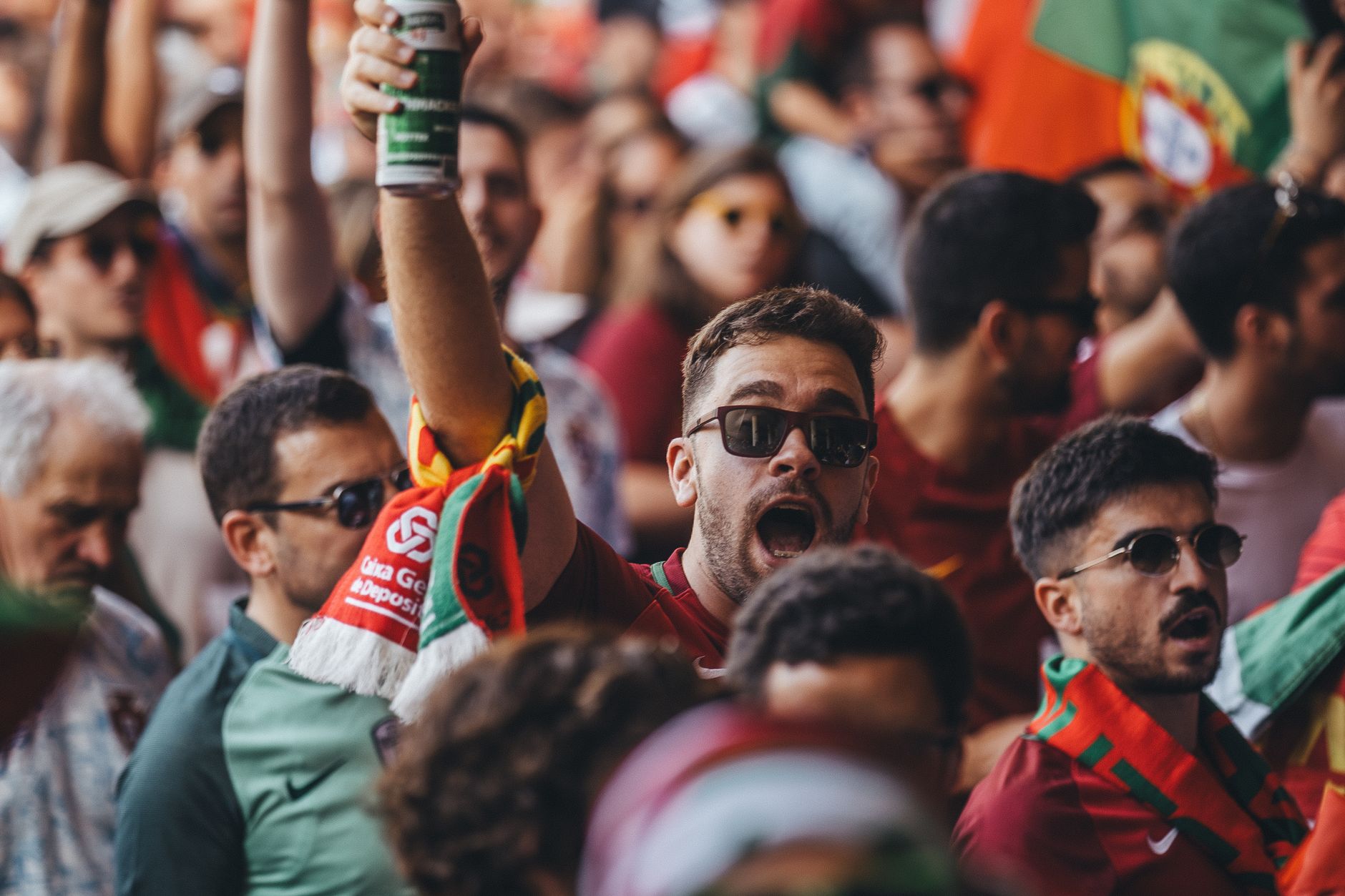
Photo by Omar Ramadan on Pexels
What should fans ignore?
Fans should ignore exaggerated claims that a host city’s success can be measured by crowd size alone. Attendance matters, but it cannot tell you whether transport worked, whether residents benefited, whether visitors felt safe, or whether local football programs gained lasting support. A packed square may still have poor access, long queues, and inadequate shade.
You should also ignore the idea that every match prediction can be improved by looking only at FIFA rankings. Rankings provide context, but tactical matchups, injuries, squad rotation, rest days, climate, and travel distance can shift the real balance. The 2026 tournament’s continental scale makes this especially important because teams may cross multiple time zones and face unfamiliar conditions.
Avoid treating official promotional statements as independent evidence. Kansas City’s event site naturally presented the region positively, describing its pride, passion, and welcome. That is appropriate for a host-city campaign, but serious analysis should pair those claims with attendance figures, transport reports, local media coverage, stadium information, and supporter feedback. The FIFA World Cup 2026 regulations and tournament resources are a better starting point for confirmed competition details than viral posts or anonymous betting channels.
Finally, ignore reckless gambling advice. Football remains uncertain even when the numbers look persuasive. Set a budget, check whether betting is legal in your location, understand the market rules, and stop when the entertainment money is gone. I have watched experienced players lose because they chased one bad result into five worse ones, and I would rather talk down to you now than watch you learn it the expensive way.
Want the key Kansas City and 2026 World Cup takeaways in one place?
Kansas City’s lasting 2026 World Cup lesson
Kansas City showed why 2026 World Cup football should be judged as both a sporting competition and a regional visitor project. Six matches created the headline, but the deeper achievement came from connecting Arrowhead Stadium with the FIFA Fan Festival, local food, music, clubs, public spaces, transport, and the people of Missouri and Kansas. That combination gave the tournament a recognizable local character.
For readers tracking teams and betting markets, the same principle applies. Look beyond the headline: inspect schedules, travel, tactical fit, player availability, weather, and motivation. Goal Moments can help organize those details through match predictions, team tactics, player stats, and daily World Cup coverage, but no preview removes uncertainty. Use information to make disciplined decisions, not to manufacture certainty. Kansas City welcomed the world because the details were treated as part of the main event, and football analysis works the same way, believe it or not — I do.
Continue with this [Internal Link: 2026 World Cup predictions and team analysis] for practical tournament coverage.
Frequently Asked Questions
Q: What is the 2026 World Cup football tournament?
A: The 2026 FIFA World Cup is the men’s international football tournament hosted by Canada, Mexico, and the United States. It is the first edition expanded to 48 teams, increasing the number of matches and host-city responsibilities compared with the 32-team format used from 1998 through 2022. Kansas City is one of the United States host cities, with Arrowhead Stadium serving as its match venue. Fans should confirm schedules and ticket information through FIFA or official local organizers rather than relying on unofficial listings.
Q: Why was Kansas City selected as a 2026 World Cup host city?
A: Kansas City was selected because it offered a suitable major stadium, established football support, regional tourism capacity, and a strong sporting identity. Sporting Kansas City, the Kansas City Current, youth participation, and existing event infrastructure helped demonstrate local demand for football. The city also offered attractions such as barbecue, jazz, museums, and professional sports. Selection does not mean every logistical detail was perfect, but it showed that FIFA valued a broader regional experience as well as stadium capacity.
Q: How many 2026 World Cup matches did Kansas City host?
A: Kansas City hosted six FIFA World Cup 2026 matches at Arrowhead Stadium. The wider event included public programming such as the FIFA Fan Festival, where supporters could watch matches and participate in entertainment without holding stadium tickets. Match-specific schedules, kickoff times, and team assignments should be checked against official FIFA records because tournament information can change before publication. Do not assume that every festival day matches the stadium schedule exactly.
Q: What is the difference between a World Cup match and the FIFA Fan Festival?
A: A World Cup match is a ticketed stadium competition, while the FIFA Fan Festival is a public supporter event built around screenings, food, entertainment, and cultural exchange. The stadium provides the live atmosphere and direct view of the match, whereas the festival offers wider access and often accommodates larger community participation. In Kansas City, both experiences contributed to the host-city identity. Fans choosing between them should consider budget, access, crowd preferences, and travel time.
Q: How should visitors prepare for a Kansas City World Cup match?
A: Visitors should plan transport, stadium entry, weather, accommodation, and post-match departure before match day. Check official Arrowhead Stadium rules, local traffic information, public transport or shuttle options, permitted bags, and emergency procedures several days in advance. Leave extra time because crowd movement can slow down road and pedestrian routes, especially near kickoff and the final whistle. Carry essential medication, identification, a charged phone, and a prearranged meeting point.
Q: Is it free to attend the FIFA Fan Festival in Kansas City?
A: Public fan-festival access may be free, but visitors should verify the exact event rules, capacity limits, and any separately ticketed activities with the official Kansas City organizer. Food, drinks, merchandise, transport, and premium experiences can still create costs even when entry is free. Large crowds may also require timed access or security screening. Never buy a supposed free-event ticket from an unofficial seller without confirming its legitimacy.
Q: Can Goal Moments guarantee accurate 2026 World Cup predictions?
A: No football website can guarantee accurate predictions, including Goal Moments. Goal Moments provides FIFA World Cup coverage focused on match predictions, team tactics, player statistics, and tournament developments, but results remain uncertain because injuries, lineups, weather, tactics, and chance all matter. Use previews as structured information rather than promises. If you choose to gamble, follow local laws, set a firm spending limit, and never chase losses.