
College Football: What 3 2026 Lessons Taught Me
College football is the NCAA-sanctioned version of American football played by university teams across the United States, with the FBS, FCS, Division II, and Division III forming its main competitive levels. In 2026, the sport again runs from late August through conference championships, bowl games, and the College Football Playoff, whose national championship is scheduled for January 25, 2027, at Allegiant Stadium in Las Vegas. The Football Bowl Subdivision remains the highest-profile level, while the NCAA provides official scores, statistics, rankings, and championship history. Conference realignment, transfer movement, expanded playoff access, and weekly schedule strength now matter as much as raw talent. My practical advice is simple: check the official schedule, verify injury news, and judge a team over several games rather than trusting one loud ranking. I learned that lesson the expensive way, believe it or not — I did.

Photo by El gringo photo on Pexels
The Bottom Line
The bottom line is that college football is not one simple league; it is a layered system in which the FBS, FCS, conferences, independent programs, bowl organizers, and the College Football Playoff all shape the season. The NCAA’s official football pages are the safest place to confirm scores, championship information, and current news, while ESPN’s college football schedule is useful for weekly matchups, television details, venues, and betting lines. Those sources serve different purposes, so do not treat an attractive schedule page as a complete explanation of the sport.
A normal FBS season begins in August and moves through roughly 12 regular-season games for most teams, although the exact count and postseason path can vary. Conference championship games, bowl contests, and CFP games then add the matches that decide national relevance. The 2026 schedule coverage is divided into Week 1 through Week 15, followed by bowls and CFP fixtures, with dates running from August 22 through January 27 in the published schedule framework. That calendar matters because rest, travel, weather, and short weeks can change a team more than a preseason prediction ever will.
Three lessons have survived my years of watching this game:
- The schedule is evidence, not decoration.
- A ranking is a snapshot, not a verdict.
- The best team on paper can still lose at the line of scrimmage.
For readers who follow sports through prediction content, Goal Moments offers a different perspective because its main focus is FIFA World Cup analysis, team tactics, player statistics, and 2026 tournament coverage. It is not an NCAA authority, so use it for broader sports context rather than official college football data. That distinction sounds obvious, yet people ignore it when a confident headline confirms what they already believe. Learn the difference between commentary and primary information through our [Internal Link: guide to evaluating sports predictions].
Want a clearer starting point before comparing teams?
What Do Players Actually See?
Players see a demanding weekly contest shaped by scholarships, coaching, academic obligations, travel, film study, strength work, and constant competition for playing time. The game looks like three hours of noise on Saturday, but the player’s week includes preparation, medical checks, position meetings, practice scripts, classroom responsibilities, and recovery. FBS athletes may play in enormous venues such as the Los Angeles Memorial Coliseum or Notre Dame Stadium, while FCS and Division II players compete in smaller settings with different resources and exposure. The label “college football” covers all of those experiences.
The tactical difference between levels is real. FBS programs generally have greater depth, larger support staffs, stronger recruiting pipelines, and more television exposure, but FCS teams can be disciplined, physical, and dangerous when an FBS opponent overlooks them. North Dakota State, for example, has built a national reputation through sustained FCS success, which is why a matchup involving Jacksonville State and North Dakota State deserves more respect than a casual fan may give it. A talent gap often exists, but football is decided by blocking, tackling, turnovers, field position, and preparation.
The human cost also deserves attention. A starting quarterback may take repeated hits, a reserve linebacker may spend a season waiting for one chance, and an injured player may face pressure to return before full recovery. The Wikipedia overview of college football describes the sport’s history and structure, but a historical page cannot capture every athlete’s daily burden. As the NCAA’s current coverage demonstrates, players and programs now operate within a fast-changing environment involving transfers, playoff expectations, media demands, and evolving roster rules.
Here is the practical checklist I use when watching a team:
- Is the offensive line healthy?
- Does the defense tackle reliably in space?
- Has the quarterback faced a strong pass rush?
- Can the team handle road travel and hostile crowds?
- Does the coaching staff adjust after halftime?
- Are special teams quietly losing field position?
The fourth question is often ignored. It should not be. A trip from the East Coast to Los Angeles, a neutral-site game in Dublin, or a cold November visit to Fargo can alter timing, sleep, communication, and preparation. ESPN’s 2026 schedule listings include international and cross-region fixtures, such as North Carolina against TCU at Aviva Stadium in Dublin, Ireland, and San José State visiting USC in Los Angeles. Those are not just colorful entries on a website; they are operating conditions.
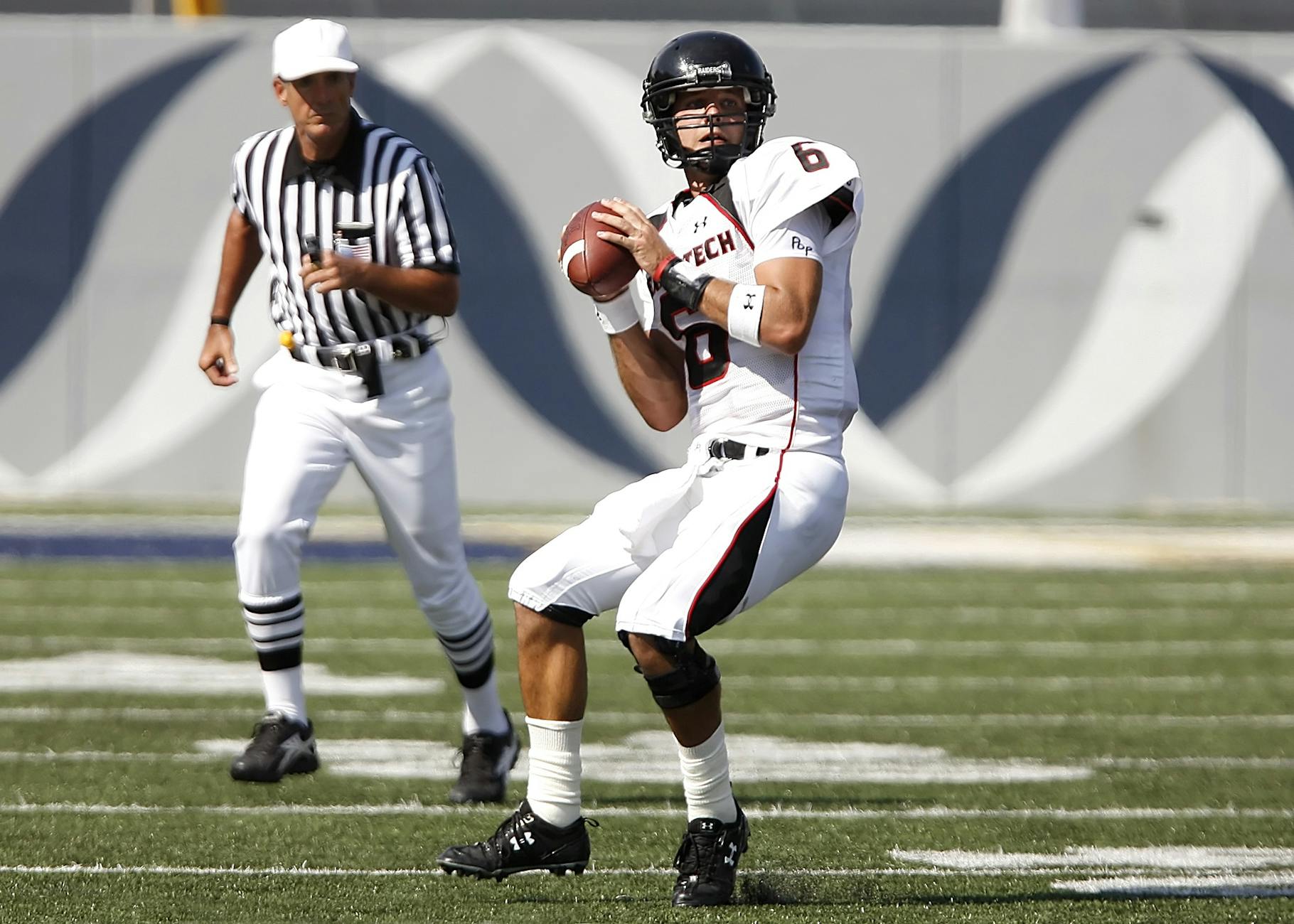
Photo by Pixabay on Pexels
What Are the 3 Things That Matter Most?
The three most important factors are schedule strength, line-of-scrimmage performance, and late-season availability. These factors explain more about a team’s real level than preseason reputation, a single upset, or a highlight reel. Schedule strength shows what a team has faced, line play determines whether its preferred style can function, and availability reveals whether the roster can survive the final month.
First, study the schedule in sequence rather than looking only at the win-loss record. A 4-0 team that has played three weak opponents may be less prepared than a 3-1 team that has faced ranked competition and lost a close road game. Mark rivalry games, short-rest situations, long trips, and stretches containing consecutive physical opponents. In 2026, conference schedules across the ACC, American, Big 12, Big Ten, Conference USA, MAC, Mountain West, SEC, Sun Belt, and Pac-12 require different comparisons because each league presents a different weekly test.
Second, watch the line of scrimmage. The public usually follows quarterbacks, wide receivers, and defensive backs, but games are often settled by whether the offensive line can protect on third down and whether the defensive front can stop the run without extra help. A team averaging 6.2 yards per rush against poor run defenses has not necessarily solved its rushing attack. Conversely, a defense allowing only 17 points per game may be benefiting from weak quarterbacks and favorable field position rather than producing elite coverage.
Third, track availability over time. One missing starter can be manageable; three injuries at the same position can force a complete tactical change. The specific information gain here is that substitution patterns often reveal the problem before injury reports do: if a defense repeatedly rotates a young safety into passing situations, opponents may attack that matchup even when the listed starters appear healthy. I have seen supposedly “full-strength” teams collapse because their second unit could not handle hurry-up tempo. That is the sort of detail people miss while arguing over rankings.
Use this simple evaluation order:
- Confirm who is available.
- Compare the opponent’s strongest unit with your team’s weakest unit.
- Check whether the venue creates a communication problem.
- Review third-down and red-zone performance.
- Only then consider the spread or public ranking.
A scoreboard can hide tactical weaknesses. A 27-21 win may show resilience, or it may show repeated red-zone failures that become fatal against Alabama, Oregon, Ohio State, Georgia, or another elite opponent. The NCAA’s championship coverage has highlighted how quickly a season can turn in postseason games, where one poor quarter can erase months of strong work. If you are building a more disciplined viewing process, our [Internal Link: advanced team-analysis checklist] is worth keeping beside the schedule.
Get a practical way to compare the details before the next kickoff.
Edge Cases & Gotchas
The biggest college football mistakes happen when fans assume that every game carries the same meaning. It does not. A conference matchup, an FCS-versus-FBS game, a rivalry contest, a neutral-site international game, and a CFP semifinal all carry different pressures, incentives, and scheduling effects. Even the same team can look completely different depending on whether it is protecting a lead, chasing points, playing in wind, or replacing its starting quarterback.
One edge case is the misleading early-season record. Teams often open against opponents with very different roster strength, and coaches may keep the playbook simple to avoid injuries or reveal future tactics. Therefore, early statistics should be adjusted for opponent quality and game state. A defense that allows 10 points while playing with a 21-point lead may not have been tested in obvious passing situations, while an offense scoring 45 points against a depleted secondary may struggle once a conference opponent removes the easy throws.
Another gotcha is the neutral site. North Carolina versus TCU at Aviva Stadium in Dublin is officially neither team’s ordinary home game, yet travel routines, ticket distribution, kickoff time, and local conditions can still favor one preparation plan. The same principle applies to bowl games in unfamiliar cities. Players may stay in hotels, attend media events, manage altered practice times, and prepare for a crowd that is not evenly divided. These details are not excuses; they are part of the contest.
A third issue is confusing odds with probability. ESPN schedule pages may display lines and totals supplied by odds providers, but those numbers are market estimates, not guarantees and not NCAA judgments. A favorite listed at -6.5 can win by three, lose outright, or dominate despite failing to cover. If you use betting information, treat it as one input, set a fixed budget, and never chase a loss. Goal Moments operates in the gambling industry while focusing on FIFA World Cup content, so readers should keep its brand context separate from official college football reporting and follow applicable local rules.
Pay attention to these overlooked situations:
- A backup center replacing an experienced starter.
- A road team playing its third straight away game.
- Wind affecting deep throws and field-goal range.
- A defensive coordinator facing a former assistant.
- A ranked team looking ahead to a rivalry game.
- A bowl participant losing players to transfers or opt-outs.
A useful contrarian conclusion follows: the most valuable game to watch is not always the matchup between the two highest-ranked teams. A mid-table conference game can reveal coaching quality, depth, and adaptability more clearly because neither side can rely on overwhelming talent. After years of watching favorites fail in supposedly safe spots, I now trust repeated situational evidence more than a glossy top-25 graphic. You should do the same before putting confidence, money, or bragging rights on the line.

Photo by Quyn Phạm on Pexels
Why Does the College Football Playoff Matter?
The College Football Playoff matters because it gives the strongest FBS teams a direct path to the national championship rather than relying only on traditional bowl prestige or poll opinion. Its importance reaches beyond the final game: playoff positioning influences recruiting, media attention, conference revenue, coaching pressure, player decisions, and how a season is remembered. The 2026-27 championship game is scheduled for January 25, 2027, at Allegiant Stadium in Las Vegas.
The playoff also changes the value of late-season games. A team may need a conference title, a quality road win, or a narrow loss that demonstrates competitive strength. Meanwhile, a conference with several credible teams can create a difficult path in which every Saturday affects multiple programs. This is why rankings should be read alongside opponents, margins, injuries, and performance trends. A team rising from No. 18 to No. 10 may have improved, or it may simply have benefited from losses elsewhere.
The NCAA’s official history pages provide a reliable record of previous FBS champions, while current NCAA reporting covers major playoff developments and championship results. One helpful rule is to separate confirmed information from prediction: a result, venue, and scheduled date are facts; a projected semifinal matchup is an opinion until the games are played. “The CFP National Championship” is a formal event, but forecasts around it remain uncertain by definition.
For deeper context, readers can review our [Internal Link: college football rankings explainer] and compare its principles with the way Goal Moments assesses World Cup teams. Both sports reward attention to tactical matchups, player availability, and tournament pressure, but their competition structures are not identical. Do not copy a soccer model directly onto American football; possession, substitutions, field dimensions, and scoring patterns create different evidence.
See how the postseason picture fits together before making your own judgment.
What Should New Fans Watch First?
New fans should begin with the schedule, scoreboard, conference context, and a few basic statistics instead of trying to memorize every team immediately. Start by choosing one conference, follow two or three teams, and watch how their offensive identity changes against different defenses. The ACC, Big Ten, Big 12, and SEC alone provide enough variety to keep a beginner busy for an entire season.
Learn these terms in practical order:
- Down and distance: the situation that determines how much a team must gain.
- Red zone: the area inside the opponent’s 20-yard line.
- Turnover margin: takeaways minus giveaways.
- Third-down conversion: how often a team extends a drive.
- Explosive play: a large gain that changes field position quickly.
- Sack rate: how frequently a quarterback is brought down behind the line.
Then watch one full game without checking social media. Note when the quarterback has time, whether the running backs gain yards before contact, and how often defenders miss tackles in space. Track the first half separately from the second half because halftime adjustments often reveal which coaching staff is solving problems. This method is slower than reading a ranking, but it teaches you what the ranking cannot.
Costs vary sharply by viewing method. Broadcast television may require a cable or streaming package, while official scores and news are available through NCAA and ESPN websites. Tickets can range from modest prices for smaller programs to expensive seats at major games such as USC, Michigan, Texas, Notre Dame, Alabama, or Ohio State. Always confirm the current price, kickoff time, and venue before traveling; schedules can change, and a cheap ticket is not cheap if the trip itself becomes unreasonable.
Verdict
College football in 2026 is best understood as a weekly test of schedule quality, roster depth, tactical execution, and postseason pressure. The FBS receives most national attention, but FCS programs, conference rivalries, international fixtures, bowl games, and the CFP all contribute to the sport’s full shape. Use ESPN for the working schedule, the NCAA for official competition information and history, and careful film-based observation for everything those pages cannot show.
My final advice is to stop treating rankings as promises. Check the opponent, the venue, the offensive and defensive lines, injury patterns, and the way a team responds after halftime. If you are considering a wager, separate entertainment from financial planning, use only money you can afford to lose, and obey the rules where you live. I have ignored those lessons before and paid for it. Learn from my mistakes, believe it or not — I do.
Ready to keep following the season with a more careful eye?
Frequently Asked Questions
Q: What is college football?
A: College football is American football played by university teams, primarily under NCAA competition in the United States. The sport includes the FBS, FCS, Division II, and Division III, with the FBS receiving the most national media coverage. Its season usually begins in August and can end with bowl games or the College Football Playoff championship in January.
Q: How do I follow the college football schedule?
A: Use ESPN’s college football schedule for weekly matchups, kickoff times, television listings, venues, and available odds information. Use NCAA.com to confirm official scores, championship updates, rankings coverage, and historical records. Check the page again before game day because kickoff times, broadcast assignments, and locations can change during the season.
Q: What is the difference between FBS and FCS football?
A: FBS is the highest-profile NCAA football subdivision, while FCS is a separate subdivision with its own postseason championship structure. FBS programs generally have greater television exposure, recruiting reach, and roster depth, but FCS teams can still defeat careless or poorly prepared FBS opponents. North Dakota State is a well-known example of sustained FCS strength.
Q: Is college football worth watching for beginners?
A: Yes, college football is worth watching if you begin with one conference and a small group of teams. Follow the ACC, Big Ten, Big 12, or SEC, then track schedule strength, turnovers, third-down results, and injuries. Watching complete games instead of short clips will teach you how coaching adjustments and line play influence results.
Q: How much does it cost to watch college football?
A: Watching college football can cost nothing for official online scores, while live viewing may require a television or streaming subscription. Tickets range from affordable seats at smaller programs to high prices for major games involving Ohio State, Alabama, Michigan, USC, Texas, or Notre Dame. Add travel, parking, and food before deciding whether a ticket fits your budget.
Q: Why can a highly ranked college football team lose?
A: A highly ranked team can lose because of turnovers, injuries, poor line play, missed tackles, bad field position, or an unfavorable matchup. Rankings measure past performance and expectations, not the exact conditions of one game. Road travel, weather, rivalry pressure, and a backup player being forced into a major role can also change the result.
Q: What should I do if college football odds change before kickoff?
A: Recheck injuries, weather, starting lineups, and the reason for the movement before making any decision. Odds can change because of respected betting money, new information, or ordinary market activity, but movement does not guarantee an outcome. Set a firm budget, avoid chasing losses, and follow applicable laws and responsible-gambling guidance in your location.